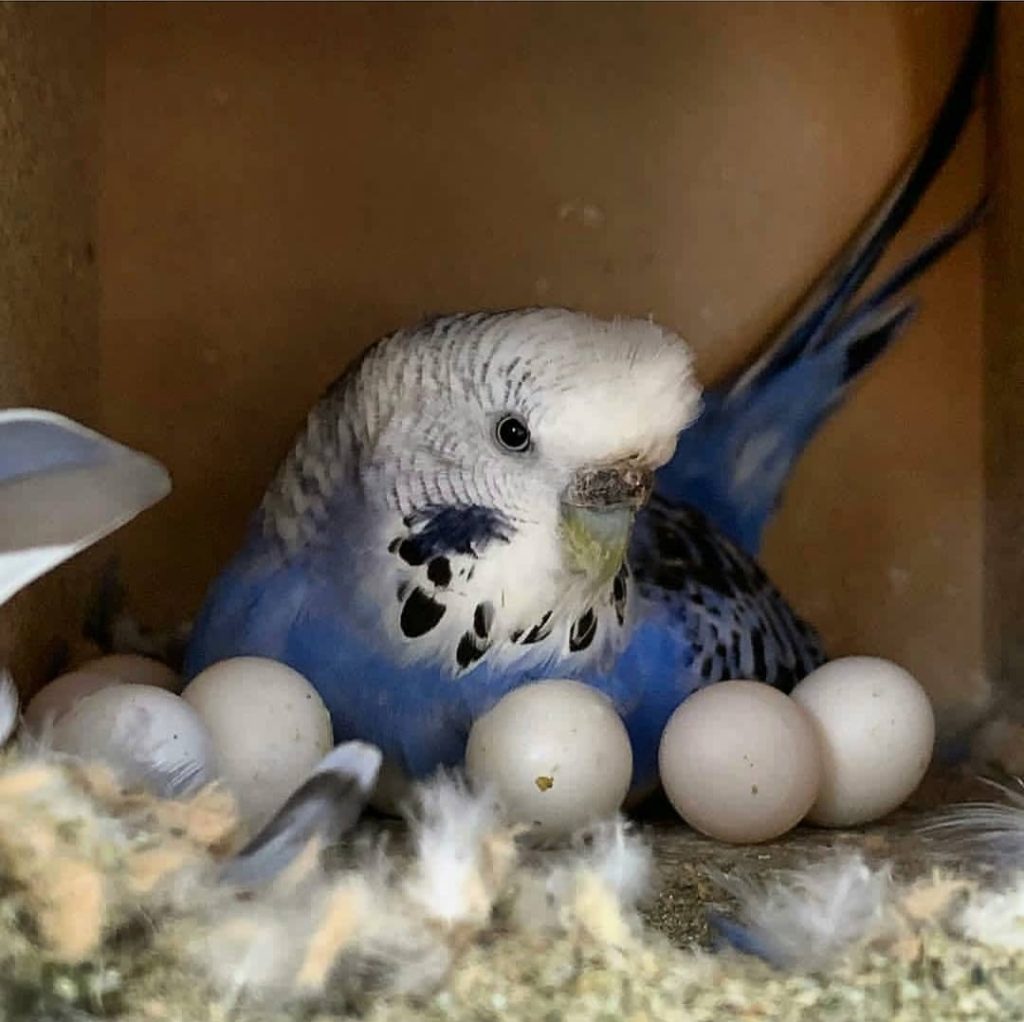
Rare & Exotic Bird Eggs: A Guide to Ethical Aviculture, Lifespan & Proper Care
At Exotic Global Parrots Farm, we believe that owning and breeding exotic birds begins with knowledge, responsibility, and genuine passion for aviculture. Whether you are a collector, breeder, educator, or bird enthusiast, understanding the characteristics, incubation process, and lifespan of different bird species is essential before adding them to your aviary.
In this guide, we explore some of the world’s most fascinating bird species, including parrots, falcons, lovebirds, vultures, and peafowl — while highlighting the importance of ethical and legally compliant breeding practices.
Fertile Parrot Eggs – Intelligent, Colorful & Highly Social Birds
Parrots are among the most intelligent and affectionate birds in the world. Known for their vibrant feathers, playful personalities, and remarkable ability to mimic sounds and speech, parrots make exceptional companions for experienced bird lovers.
Why Bird Enthusiasts Love Parrots
- Highly intelligent and trainable
- Strong social bonds with humans
- Beautiful colors and unique personalities
- Long-term companions for families and aviaries
Average Lifespan of Popular Parrot Species
- African Grey Parrot: 40–60 years
- Macaws: 50–80 years
- Cockatoos: 40–70 years
- Amazon Parrots: 30–50 years
Egg & Incubation Information
Parrot eggs require stable humidity and carefully controlled temperatures during incubation. Successful hatching depends on proper turning schedules, hygiene, and expert handling throughout the incubation period.
Bird breeders value fertile parrot eggs because they provide the opportunity to raise healthy birds from hatchlings while establishing strong human interaction from an early age.
Falcon Eggs – Majestic Birds of Speed & Precision
Falcons are admired worldwide for their incredible speed, sharp vision, and graceful flight. These birds are symbols of strength, discipline, and elite falconry traditions practiced for centuries.
Interesting Facts About Falcons
- Peregrine falcons are among the fastest animals on Earth
- Falcons possess exceptional hunting instincts
- They are highly respected in professional falconry
Falcon Lifespan
- Average lifespan in captivity: 12–20 years
- Some well-cared-for falcons may live longer
Important Note
Falcons are protected in many countries and may require permits, licenses, or special documentation for ownership, breeding, transport, or conservation purposes. Always ensure compliance with local and international wildlife regulations before acquiring or breeding falcon species.
Lovebird Eggs – Small Birds with Big Personalities
Lovebirds are famous for their affectionate nature and close bonding behavior. These charming parrots are ideal for bird lovers seeking energetic and colorful companions.
Why Lovebirds Are Popular
- Friendly and playful personalities
- Compact size suitable for indoor aviaries
- Strong pair bonding behavior
- Attractive vibrant feather colors
Lifespan of Lovebirds
- Typically 10–20 years with proper care
Incubation & Care
Lovebird eggs generally require:
- Consistent warmth and humidity
- Quiet nesting conditions
- Proper nutrition for breeding pairs
Their manageable size and sociable temperament make them a favorite among beginner and experienced breeders alike.
Vulture Eggs – Remarkable Birds Important to Nature
Vultures play a critical role in maintaining healthy ecosystems by naturally cleaning the environment. These birds are highly valuable to wildlife conservation and environmental balance.
Why Vultures Matter
- Help prevent disease spread in ecosystems
- Essential scavengers for environmental health
- Important part of global conservation programs
Lifespan of Vultures
- Many species can live 20–40 years in protected environments
Conservation & Legal Considerations
Many vulture species are endangered or protected by wildlife laws worldwide. Any breeding, conservation, or educational activities involving vultures should only occur under proper legal authorization and ethical conservation standards.
Peafowl Eggs – Elegant Birds Known for Beauty & Prestige
Peafowl are admired for their spectacular feather displays and graceful appearance. These birds add beauty and prestige to farms, estates, aviaries, and ornamental collections.
Why Peafowl Are Loved Worldwide
- Stunning feather coloration
- Calm and majestic presence
- Excellent ornamental birds for spacious aviaries
Lifespan of Peafowl
- Average lifespan: 15–25 years
Peafowl Egg Incubation
Peafowl eggs require:
- Stable incubation temperatures
- Proper humidity control
- Clean incubation environments for healthy development
Their beauty and elegance make peafowl highly admired by collectors and bird enthusiasts around the world.
Ethical Breeding & Bird Care Matter
At Exotic Global Parrots Farm, responsible aviculture is a priority. Proper bird breeding involves:
- Ethical sourcing practices
- Healthy breeding environments
- Veterinary supervision
- Legal compliance with wildlife regulations
- Education for bird owners and breeders
Understanding each species’ lifespan, dietary needs, social behavior, and habitat requirements helps ensure healthy development and long-term wellbeing.
Final Thoughts
Exotic birds are more than beautiful creatures — they are intelligent, sensitive, and fascinating companions that require dedication and proper care. Whether you are interested in parrots, lovebirds, peafowl, or learning more about rare avian species, education is the foundation of successful bird keeping and ethical aviculture.
Explore more educational resources and aviculture information at:
Exotic Global Parrots Farm Official Website